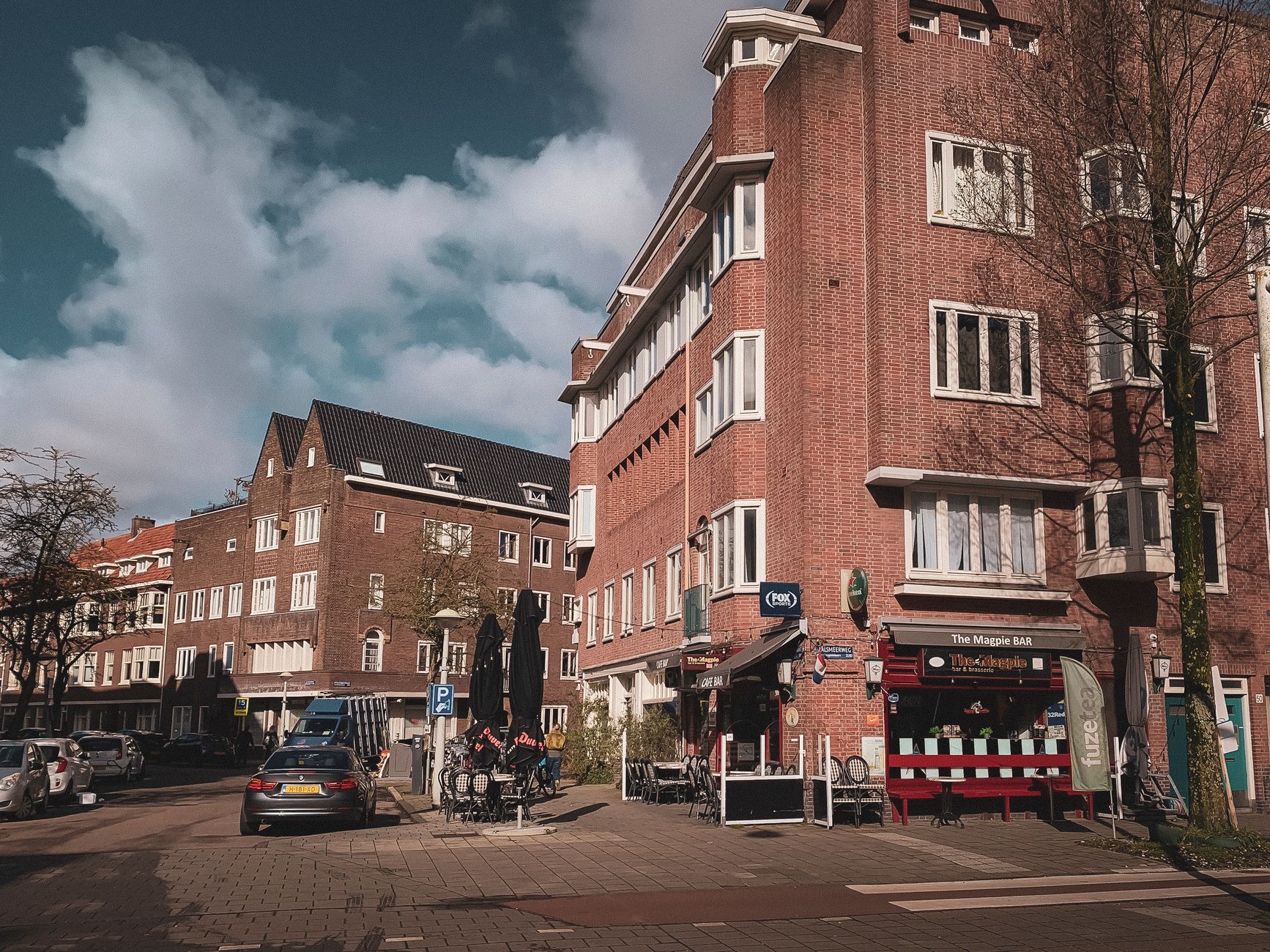
Three Days in Bilthoven: A Quiet Utrecht Base With the Region on the Doorstep
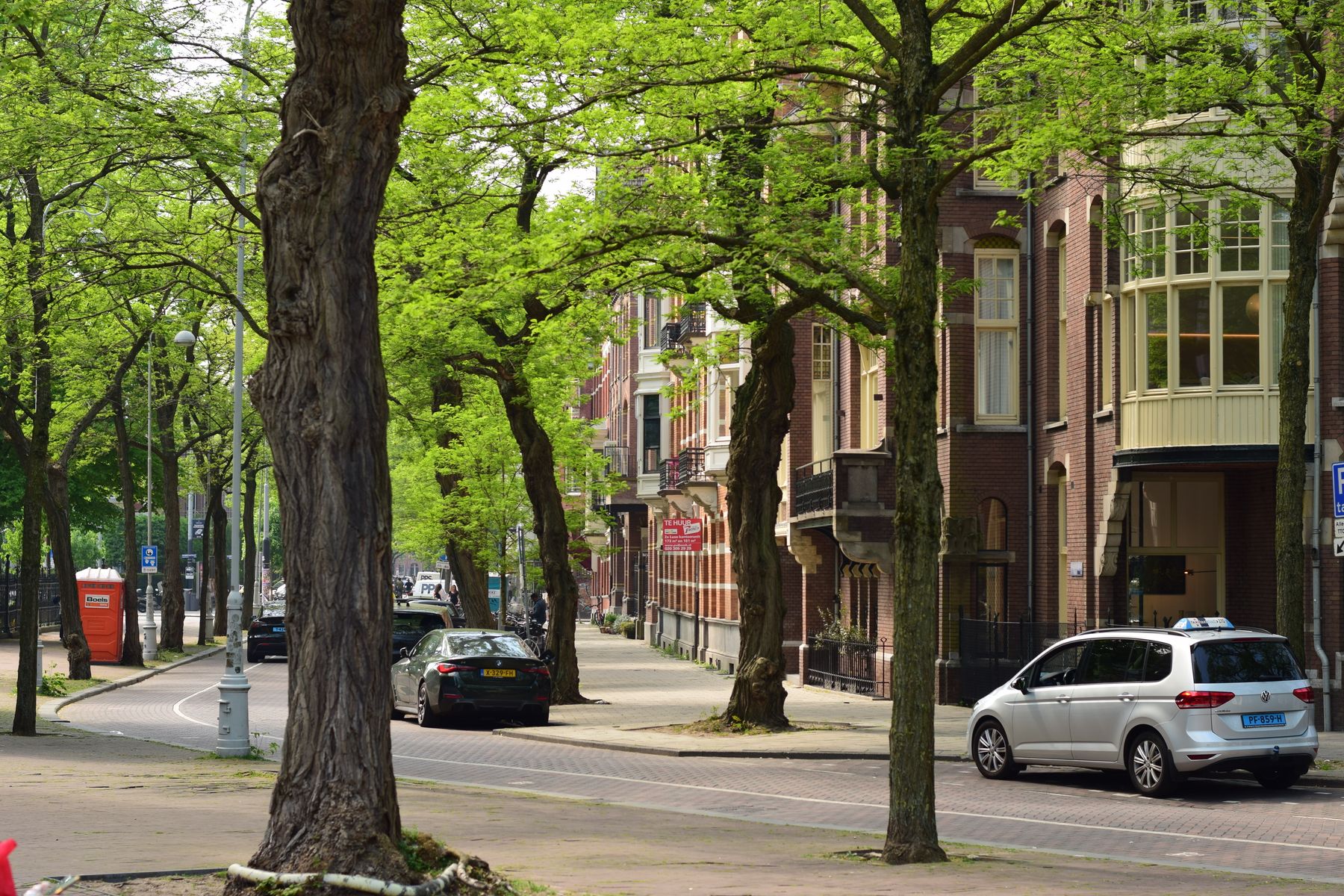 Three Days in Bilthoven: A Quiet Utrecht Base With the Region on the Doorstep
Bilthoven is a green, unhurried village in the wooded east of Utrecht province, and used well it makes a calm, well-connected base for the ridge, the city and the water line.
Why base yourself in Bilthoven
Bilthoven sits in the wooded belt between Utrecht city and Amersfoort, on the edge of the Utrechtse Heuvelrug national park. Trains from Bilthoven station reach Utrecht Centraal in roughly ten to fifteen minutes and Amersfoort in about the same, so a car is useful but not essential. The village itself is low-rise and leafy, with the shops clustered around Julianalaan and Soestdijkseweg Zuid. Hotels here are mostly small and mid-range rather than big-city chains, and rates tend to sit below comparable places inside the Utrecht ring, especially midweek.
If you want evenings that are quiet after a day of walking or museum-going, Bilthoven suits you. If you want restaurants open late and a busy street on your doorstep, it does not. My recommendation: book two nights in Bilthoven for the landscape days and one in Utrecht city if nightlife matters, or simply stay in Bilthoven all three and take the short train in. The village rewards travellers who treat it as a base rather than a destination in its own right.
Day one: the ridge on foot and by bike
Start at Bilthoven station and walk or cycle east into the Utrechtse Heuvelrug. The woods around Landgoed Beerschoten and the lanes toward De Bilt make an easy first morning, flat enough for families and shaded in summer. Push on to the viewing tower at De Kaap near Maarn if you want a climb, or keep it gentle around the Soestdijkseweg. Bike hire is available in the village and around the station area. Best months for this are May, June and September; July and August are busier but the beech shade holds up well.
Afternoon, head for Soestdijk Palace, a short bus or bike ride east, and the lanes around Baarn. The palace gardens and the surrounding estates are the drawing card rather than the building interior, so check opening arrangements before you go rather than assuming. Skip the temptation to drive to every estate; the ridge is dense and you will spend the day in car parks. One good walk and one estate per day is the right rhythm here.
Day two: Utrecht city without the rush
Take the train into Utrecht Centraal and walk straight down to the Oudegracht. The wharf-level cellars along the canal are the city's signature, and the stretch between the Dom tower and the Ledig Erf is the most rewarding hour of wandering. The Dom itself and the adjacent Domplein anchor the old centre; the Centraal Museum and the Dick Bruna Huis sit a short walk east near the Nicolaaskerk. A day ticket on the city buses is worth it if you plan to reach the museum quarter and the University Museum in one go.
Come back to Bilthoven for dinner rather than eating in the city centre, where prices climb in the evening. The village restaurants around Julianalaan are modest but reliable, and you will sleep better away from the station crowds. If you would rather have one city evening, book the third night in Utrecht itself and treat Bilthoven as the landscape base. That split is what I would choose for a first visit.
Day three: water line forts and a slower finish
The New Dutch Water Line runs across this part of Utrecht, and the forts near Bunnik, Werkhoven and Cothen are within easy reach by bike or a short drive. Fort bij Rijnauwen near Bunnik is the largest of them and the woodland paths around it are good in autumn. Combine a morning ride along the Kromme Rijn with a stop at a fort cafe where one is open; opening days vary by season, so check ahead rather than turning up. Distances are short — most of these are under twenty minutes by bike from Bilthoven.
Finish with something undemanding: the Sandwijck estate on the edge of De Bilt, or a slow loop back through the woods to the village. Trains from Bilthoven run frequently toward both Utrecht and Amersfoort, which makes an onward stop in Amersfoort's old centre easy if you have a late departure. Skip the temptation to add a day trip to Amsterdam; the journey eats three hours and the province has more than enough for three days. Best months for the water line are April through October.
Frequently asked questions
Before you book
The questions people ask about Utrecht, answered with this month’s numbers.
Not strictly. The station connects to Utrecht Centraal in about ten to fifteen minutes and to Amersfoort in similar time, and bikes cover the woods well. A car helps for the water line forts near Bunnik and Cothen, where bus connections are thinner, especially at weekends.
May, June and September give the best balance of weather and quiet on the ridge paths. July and August are busier around Soestdijk and the larger estates but the woodland shade holds up. Autumn is good for the water line forts and the Kromme Rijn lanes.
Yes, if you value quiet evenings over nightlife. Trains are frequent and short, so you can spend a full day in the old centre and return for dinner. If you want late restaurants on your doorstep, split your stay and book a night in the city itself.