Autumn in Utrecht's Wilhelminapark: Leaves, Lanes and Local Life
 Autumn in Utrecht's Wilhelminapark: Leaves, Lanes and Local Life
Why this leafy corner of Utrecht is worth a wander in fall — and how to make it your base for exploring the city.
The Park in Autumn: What to See and When
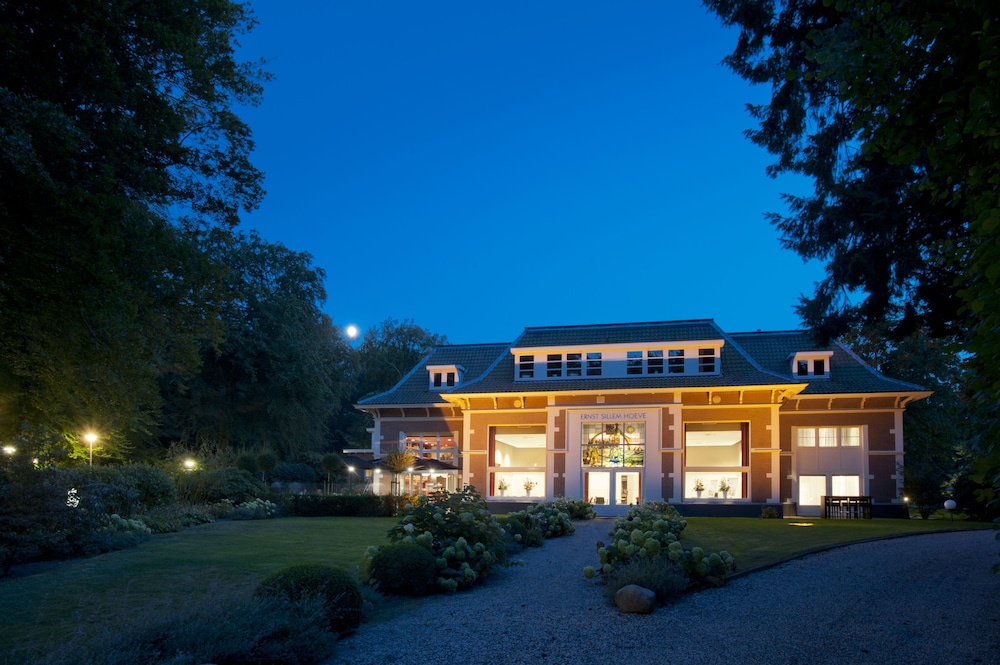
Wilhelminapark, laid out in English landscape style in 1898, peaks in the last week of October and the first two weeks of November, when the oaks, beeches and chestnuts turn copper and gold. Mornings are quietest; by 11am on a dry Sunday the main lawn fills with families. The park is free and open 24 hours, lit only by lampposts after dusk — bring a jacket for evening strolls. The whitish villa on the park's north edge, now a hotel-restaurant, makes a handy landmark if you are meeting friends.
From the park's southern gate, cross to the stately lanes of Oudwijk and the streets around Burgemeester Reigerstraat, where plane trees form a golden tunnel by early November. Walk ten minutes west to the Museum Quarter for the Centraal Museum and the Dick Bruna Huis, or continue to the Nieuwegracht for canal-side leaf-peeping without the crowds of the Oudegracht. Allow two to three hours for park plus lanes; add an afternoon if you plan a museum visit.
Exploring the Lanes: Streets, Shops and Cafés
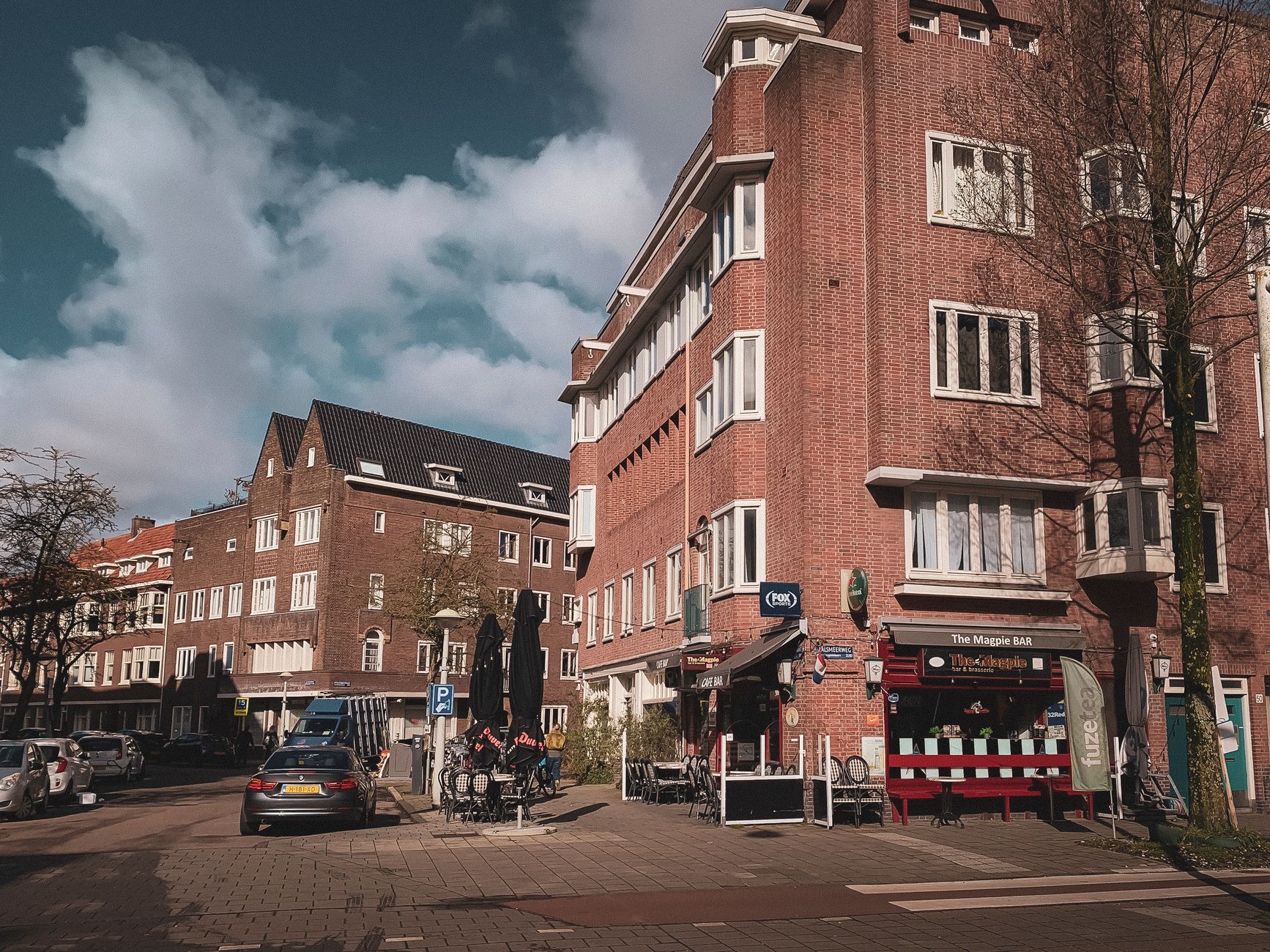
The lanes east of the park — Burgemeester Reigerstraat, Maliestraat and the quieter Adriaen van Ostadelaan — are residential but dotted with delis, bakeries and small cafés. For a sit-down lunch, head to the cluster around the Wilhelminapark itself; for takeaway, the bakeries on Burgemeester Reigerstraat sell warm pastries in the morning. Most shops close on Sundays, though cafés stay open. Prices are typical Utrecht: a coffee around €3, a simple lunch €10–15. The area is flat and walkable; cyclists should watch for one-way streets and bus lanes.
If you want a longer walk, follow the Maliebaan — Utrecht's oldest tree-lined avenue, dating from 1636 — north to the Maliebaanstation, now the Spoorwegmuseum (Dutch Railway Museum). The route is 1.5 km and takes about 20 minutes at an autumn pace. The museum's main hall is good for a rainy hour, but in dry weather the lanes themselves are the attraction. Skip the chain stores on the Oudegracht if you are short on time; the Wilhelminapark area is where the local rhythm is.
Beyond the Park: Nearby Sights and Day Trips
Utrecht Centraal is a 25-minute walk west or a 10-minute bus ride from the park; buses 8 and 12 run along Burgemeester Reigerstraat. From the station, trains reach Amsterdam (30 minutes), Rotterdam (40 minutes) and Schiphol Airport (35 minutes). If you have a car, the P+R Westraven lot on the A12 is a 15-minute drive from the park and offers cheap parking with a bus into the centre — check current rates before you go. For a half-day trip, consider a short hop to the Kasteel de Haar near Haarzuilens, a 20-minute drive west of the city.
Within Utrecht, the Dom Tower and the Oudegracht are the obvious draws, but the Wilhelminapark area offers a calmer alternative. The botanical gardens of the University Museum are a 15-minute walk north, and the river Lek is a 20-minute drive south for dike walks. Autumn is also festival season: the Netherlands Film Festival runs in late September, and the Utrechtse Uitdagen in early September open up historic buildings. Book accommodation early if your visit coincides with either.
Where to Stay: Choosing a Base Near the Park
Hotels near Wilhelminapark tend to be smaller and quieter than those around Centraal. Expect rates from €90–150 for a double in mid-autumn, higher during festival weeks. The park's own villa hotel is the most atmospheric choice, but book well ahead. Alternatively, the streets between the park and the museum quarter have several guesthouses. If you want more dining options, stay within 10 minutes' walk of Burgemeester Reigerstraat. Avoid hotels on the far side of the station if your main aim is the park; the walk is 30 minutes or more.
For a first visit, I would book a hotel on the park's edge or along Burgemeester Reigerstraat: you get autumn colour on the doorstep and easy access to the centre without the noise. Those on a tight budget should look at properties near the Wittevrouwen district, a 15-minute walk north, where prices drop by 10–20%. Check cancellation policies — autumn weather in Utrecht is changeable, with frequent showers, so a flexible booking is worth the small extra cost. The best months for leaf colour are October and November.
Before you book
The questions people ask about Utrecht, answered with this month’s numbers.
Peak colour usually falls in the last week of October and the first two weeks of November. Mornings are quietest, and weekdays are less busy than weekends. The park is free and open all day.
It's a 25-minute walk or a 10-minute bus ride on routes 8 or 12 along Burgemeester Reigerstraat. Taxis take about 10 minutes depending on traffic. Cycling is also an option; bike rental is available at the station.
Yes, there is a hotel-restaurant in the villa on the park's north edge, open for lunch and dinner. For more choice, walk five minutes to Burgemeester Reigerstraat, where you'll find cafés and bakeries.
Absolutely. The park's mature trees put on a fine display, and the surrounding lanes are pleasant for strolling. It's a quieter alternative to the city centre and easily combined with a museum visit.
Comfortable waterproof shoes and a rain jacket are wise, as paths can be muddy and showers are common in autumn. Layered clothing is best, as temperatures can range from 5°C to 15°C.
Yes, the park has open lawns and a playground. In autumn, children enjoy collecting leaves, but keep an eye on them near the pond. Cafés nearby are family-friendly.
The Netherlands Film Festival takes place in late September, and the Utrechtse Uitdagen in early September open historic buildings to the public. Check local listings for exact dates.
Street parking in the area is paid and limited. The P+R Westraven lot is a 15-minute drive and offers cheap parking with a bus into the centre. Check current rates before you travel.