Vogelenbuurt: A Morning Loop for First-Time Visitors
 Vogelenbuurt: A Morning Loop for First-Time Visitors
A compact walking circuit through one of Utrecht's quietest 19th-century neighbourhoods, with practical timings, streets and stops.
Why start here, and how to get to the loop
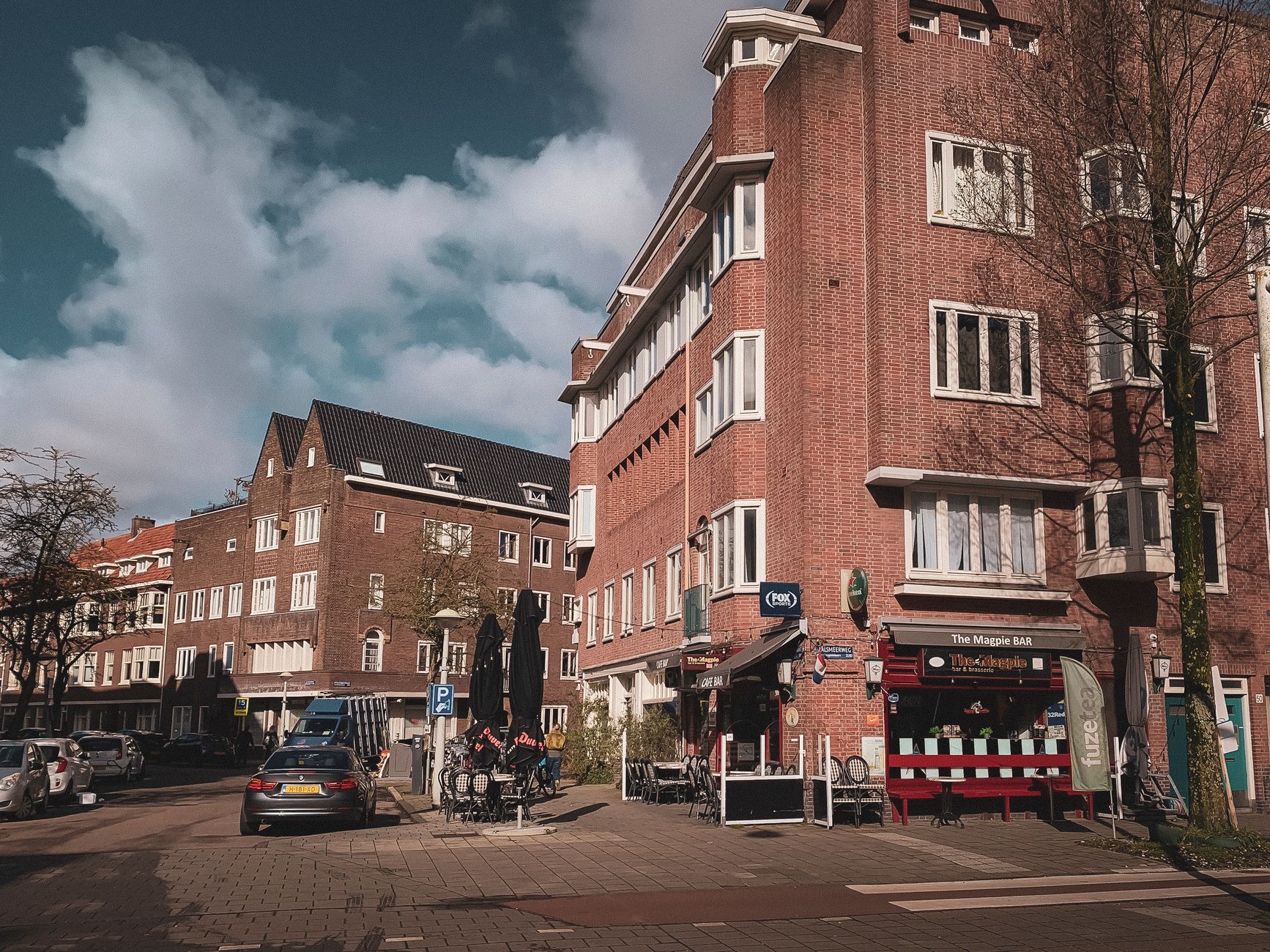
Vogelenbuurt sits just east of Utrecht's old centre, a low-rise grid of late-19th-century streets laid out between the Singel and the spoor. The name means 'bird quarter' and the streets carry bird names: Leeuwerikstraat, Nachtegaalstraat's quieter siblings, Merelstraat, Valkstraat. It is residential, not a sightseeing district, which is exactly why an early loop works: between roughly 8am and 10.30am you get bakeries opening, children cycling to school and almost no one else walking for pleasure. Start at the corner of Kleine Singel and Wittevrouwensingel, five minutes on foot from Utrecht Centraal's east exit and about ten from Neude.
If you are staying near the station or in the Museumkwartier, the walk to the start is short enough to do before breakfast. From a hotel around Vredenburg or Smakkelaarsveld, allow 12 to 15 minutes; from the Binnenstad side of the Oudegracht, closer to 18. Trams along the Biltstraat corridor and buses on Wittevrouwensingel make the loop easy to reach if your accommodation is further out, and a day ticket on the local network is worth considering only if you plan further trips to De Uithof or Zeist that same day. In April and May the street trees are at their best; late September is the second sweet spot.
The loop itself, street by street
Walk east along Wittevrouwensingel, then turn into Bollenhofsestraat where it meets the small square. This is the spine of the neighbourhood: a narrow shopping street with a butcher, a bakery, a cheese shop and a handful of cafés that open between 7.30 and 8.30. Continue to the Biltstraat crossing and turn south onto Abstederdijk, which cuts diagonally back toward the Singel. Abstederdijk is wider, with a few good lunch spots that will not be open yet, so treat it as a route rather than a destination. The whole circuit from Kleine Singel back to Kleine Singel runs roughly 2.5 kilometres and takes 45 to 60 minutes at an unhurried pace.
The best detour is a two-minute extension into the Lepelenburg park, just west of the start, where you get a clear view of the Sonnenborgh observatory on its bastion. If you want a longer version, connect through the singel path north to the Griftpark, another 15 minutes each way; that park is a former gasworks site and a good place for a second coffee. Skip the stretch along the Biltstraat itself if traffic noise bothers you; it is a bus corridor and the least pleasant part of the area. For a first visit I would book the short version and spend the saved time on a proper breakfast on Bollenhofsestraat.
Eating, drinking and where to stay nearby
Expect to pay for breakfast roughly what you would pay anywhere in central Utrecht: cafés on Bollenhofsestraat and Nachtegaalstraat fall into a moderate band, cheaper than the terraces on the Oudegracht and noticeably cheaper than the museum quarter. Cash is rarely needed, but a few small bakeries still prefer it for small amounts. Opening days vary, and several places close on Mondays, so check before you build your morning around one specific address. The neighbourhood has no hotel of its own worth planning around; the sensible base is the station area or the streets just south of it, where you can walk to the loop in under 20 minutes.
For accommodation, I would look at the Maliebaan and station-side streets first: you trade a little charm for easy access to Centraal, the loop and the Binnenstad in one go. The Vredenburg side is busier but convenient for a Sunday arrival when shops open late. If you want quiet, the streets around the Wilhelminapark, 25 minutes' walk east, are calmer and still within a short cycle of Vogelenbuurt. Book early for April and May weekends, when the city fills for the cultural season; hotel availability across Utrecht tightens noticeably then, and prices follow.
Making a morning of it without overplanning
Two and a half hours covers the loop, a bakery stop and a slow coffee. If you have more time, walk west from Lepelenburg along the singel to the Sonnenborgh museum, then cut into the centre via the Lange Nieuwstraat. The cathedral tower is visible from much of the neighbourhood, which makes orientation simple. Bicycles are the local default: rental points near Centraal cost a modest day rate, and the loop is flat throughout. Whatever you do, do not treat Vogelenbuurt as a shopping district; most retail is everyday and closes on Sundays, so a Sunday loop is about architecture and quiet rather than browsing.
Wear shoes you can walk in, because the streets are brick and uneven in places, and bring a light layer even in summer: the singel side catches wind in the morning. Late July and August are fine but the neighbourhood empties as residents leave, so some cafés reduce hours. Late spring is the best compromise of light, temperature and street life. Finish with a walk along the singel toward the Weerdsluis, where the morning boat traffic starts around 9.30, and you will have seen a side of Utrecht most day-trippers miss entirely.
Before you book
The questions people ask about Utrecht, answered with this month’s numbers.
The core circuit is about 2.5 kilometres and takes 45 to 60 minutes at an easy pace. Allow two to two and a half hours if you add breakfast and coffee on Bollenhofsestraat, which is the version most first-time visitors enjoy.
Between 8am and 10.30am the streets are quiet, bakeries are open and the light on the singel is good. Afternoon brings more traffic on the Biltstraat. Late spring mornings are the most comfortable, with mild temperatures and long daylight.
Bollenhofsestraat is the neighbourhood's spine and its small square is the natural pause point. Abstederdijk gives you a diagonal route back, and Kleine Singel offers the view toward the Sonnenborgh bastion. The bird-named side streets are quiet and worth wandering briefly.
It is mostly residential and has little accommodation of its own. Most visitors base themselves near Utrecht Centraal or around Maliebaan, both of which are a 10 to 20 minute walk from the loop and give easy access to the old centre and the station.
No, it is short enough on foot and walking lets you notice the architecture. Bicycles are useful for extending to the Griftpark or Wilhelminapark. Rental points near Centraal charge a modest day rate and the terrain is completely flat.
Tuesday to Saturday gives you the most open cafés and shops. Sundays are quiet, with much everyday retail closed, so treat a Sunday visit as an architectural walk. Several places close on Mondays, so check before planning around a specific address.
Skip the stretch along the Biltstraat if traffic noise bothers you, and do not expect a shopping district; retail here is everyday rather than browsing. If you want museums, plan a separate block of time in the centre rather than squeezing it in.